The Hardest Person You’ll Ever Lead
You’ve led teams. You’ve managed processes. Maybe you’ve even coordinated across time zones with global colleagues worldwide.
But here’s a question worth sitting with: Who is the hardest person you’ve ever had to lead?
If you’re being honest with yourself, the answer might surprise you.
It’s not the team member who pushes back on every decision. It’s not the colleague who misses deadlines. It’s not even the stakeholder who keeps changing priorities.
The hardest person you’ll ever lead is yourself.
Why Self-Leadership Is Hardest
I’ve spent years leading people, processes, and places—including global teams across multiple continents. And if I had to rank them by difficulty, leading people would be at the top. But within that category, there’s one person who has challenged me more than anyone else: me.
Here’s what I’ve learned: Before you can authentically guide others, you must first travel the road yourself. Whatever behavior you want from your teams, you must first live it.
That’s not always easy. But it’s the benchmark I’ve set for myself—and it’s what separates leaders who inspire from leaders who simply instruct.
Self-Leadership is a Lifelong Journey
I haven’t always led myself well. Let me be real with you about that.
Early in my leadership journey, I was big on winning by “proving my point.” Like a lawyer in a courtroom, I presented fact after fact to establish my case. I built arguments. I defended positions. And often, I won.
But I won at the expense of something far more valuable: relationships.
I was so focused on being right that I forgot to consider what was wise.
Today, I lead differently. The goal is no longer to prove a point—it’s to prioritize the relationship.
When conflict arises, I ask myself:
How can WE grow through this experience?
What, specifically, can I say or do that will create a win-win?
Because ultimately, a healthier relationship IS the win.
This shift didn’t happen overnight. It came through reflection, through failure, through choosing humility over pride—again and again. Self-leadership is a growth process. It requires you to look in the mirror and be honest about what you see.
A Poem Worth Remembering
When I think about the commitment self-leadership requires, I often reflect on Mother Teresa’s poem, “Do It Anyway.” If you haven’t read it, I encourage you to look it up. Here’s the essence:
People are often unreasonable, illogical, and self-centered;
Forgive them anyway.
If you are kind, people may accuse you of selfish, ulterior motives;
Be kind anyway.
If you are successful, you will win some false friends and some true enemies;
Succeed anyway.
If you are honest and frank, people may cheat you;
Be honest and frank anyway.
What you spend years building, someone could destroy overnight;
Build anyway.
If you find serenity and happiness, they may be jealous;
Be happy anyway.
The good you do today, people will often forget tomorrow;
Do good anyway.
Give the world the best you have, and it may never be enough;
Give the world the best you’ve got anyway.
You see, in the final analysis, it is between you and God;
It was never between you and them anyway.
That’s self-leadership. Doing what’s right, what’s wise, what’s loving—even when no one notices. Even when it’s hard. Even when you’d rather prove your point.
Your Invitation This Week
Here’s my challenge for you: This week, pay attention to the moments when you’re tempted to win the argument instead of win the relationship.
Ask yourself:
What would it look like to prioritize connection over correction?
How can I lead myself through this situation in a way I’d be proud of?
Self-leadership isn’t about perfection. It’s about progress. It’s about being the kind of leader you’d want to follow.
And you’re worth following.
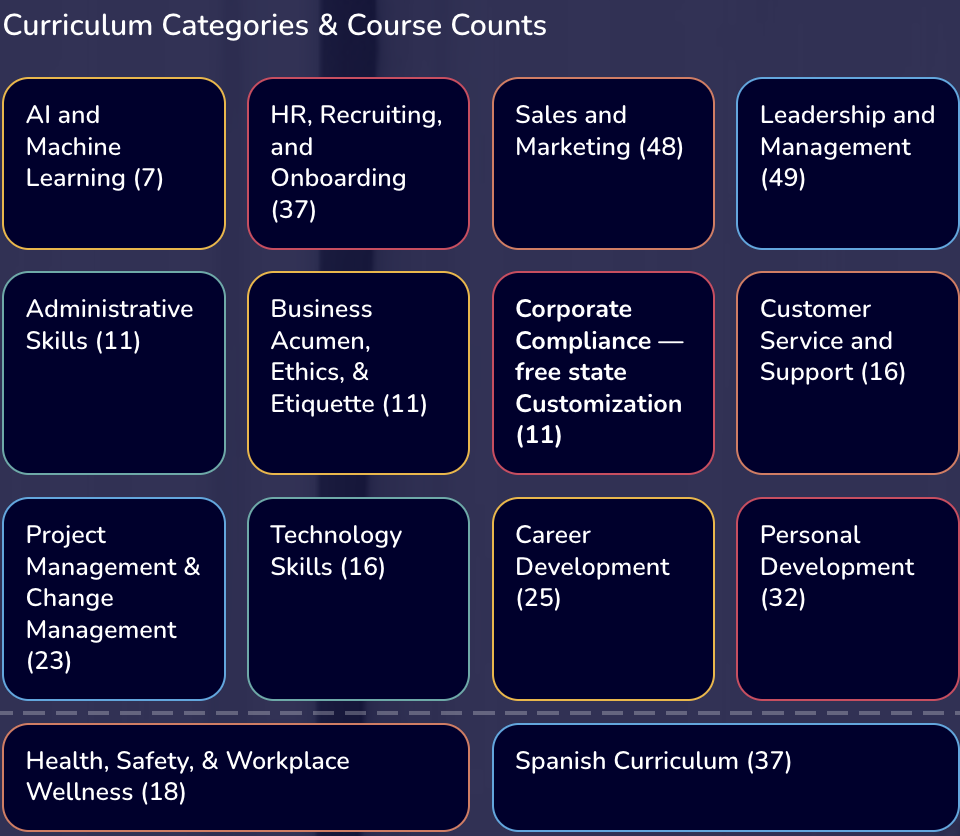
If you’re looking to go deeper on this journey, I invite you to explore our Self-Leadership course in the Learning Solutions Library. It’s a practical resource designed to help you take the next step.
Both–it is offered as self-study and for groups of 12 or more. Email admin@etrainers.org for more information.